

Influencer marketing has become a powerful strategy for brands looking to connect with their target audiences, increase brand awareness, and drive sales. By collaborating with content creators who have established credibility within specific communities, businesses can communicate their messages in a more relatable and engaging way. However, as influencer partnerships continue to grow, audiences increasingly …

Blog

Contextual vs. Audience Targeting in CTV Advertising
Imagine two people watching the same travel documentary. One is planning an international holiday. The other simply enjoys learning about different countries. A travel brand’s advertisement might feel relevant to both, but only one may be ready to book. That distinction sits at the heart of contextual and audience targeting in Connected TV advertising. Contextual …

Unlock Your Enterprise Data with RAG as a Service and Large Language Models
Enterprise organizations generate enormous amounts of data every day. Customer conversations, internal documents, product information, technical manuals, policies, research reports, databases, support tickets, and operational records all contain valuable knowledge. Yet much of this information remains scattered across systems and difficult for employees and customers to access when they need it. RAG as a Service …

Cybersecurity Analyst Program: Strengthening Digital Experiences
Digital experiences are now central to how businesses interact with customers, employees, and partners. Websites, web applications, customer portals, and online platforms handle valuable information every day, making cybersecurity an essential part of modern web development. A Cybersecurity Analyst Program can help professionals understand how to identify vulnerabilities, monitor threats, and support safer digital environments. …
Cute-alism in 2026: A Fresh Approach to Engaging Web Experiences
Introduction to Cute-alism and its Growing Popularity Web design is becoming more expressive, emotional, and personality-driven, and Cute-alism is emerging as an interesting design direction for brands that want to feel approachable and memorable. Rather than relying solely on rigid layouts or ultra-minimal interfaces, Cute-alism combines playful visuals, soft colors, friendly typography, charming illustrations, expressive …
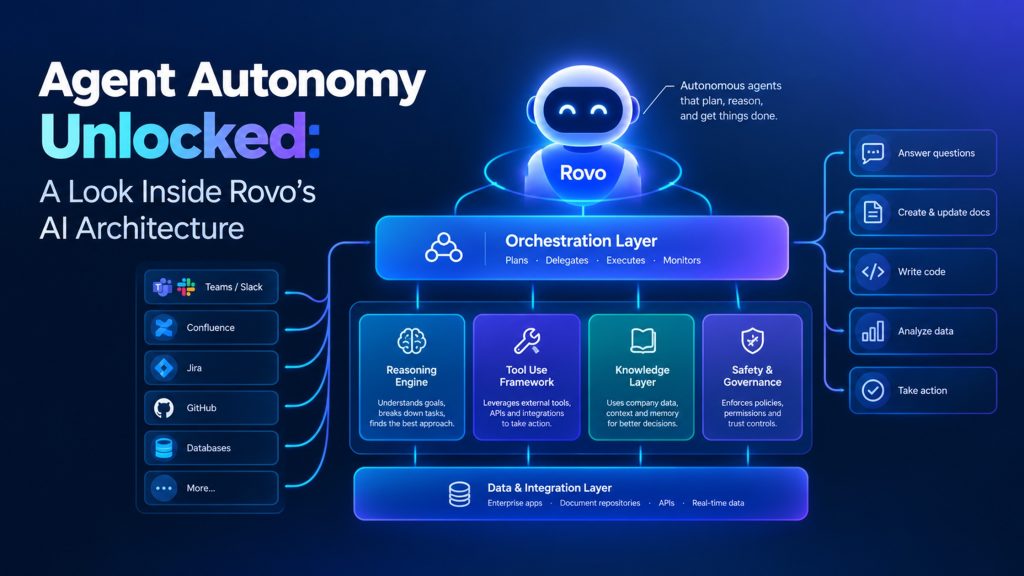
Agent Autonomy Unlocked: A Look Inside Rovo’s AI Architecture
In a world where artificial intelligence is reshaping the landscape of business, Rovo stands out as a pioneering force. With an innovative AI-based approach, Rovo is unlocking new potentials for companies aiming to enhance efficiency and drive growth. Central to this transformation is the concept of agent autonomy—a game changer that empowers AI systems to …

From Upload to Showcase: Making Wix Video Work for Your Brand
Video content is reshaping the way brands connect with their audience. If you’re looking to elevate your brand presence online, Wix Video could be the game-changer you need. With its diverse array of features and intuitive design, it allows businesses of all sizes to showcase their stories visually. Whether you’re a small startup or an …
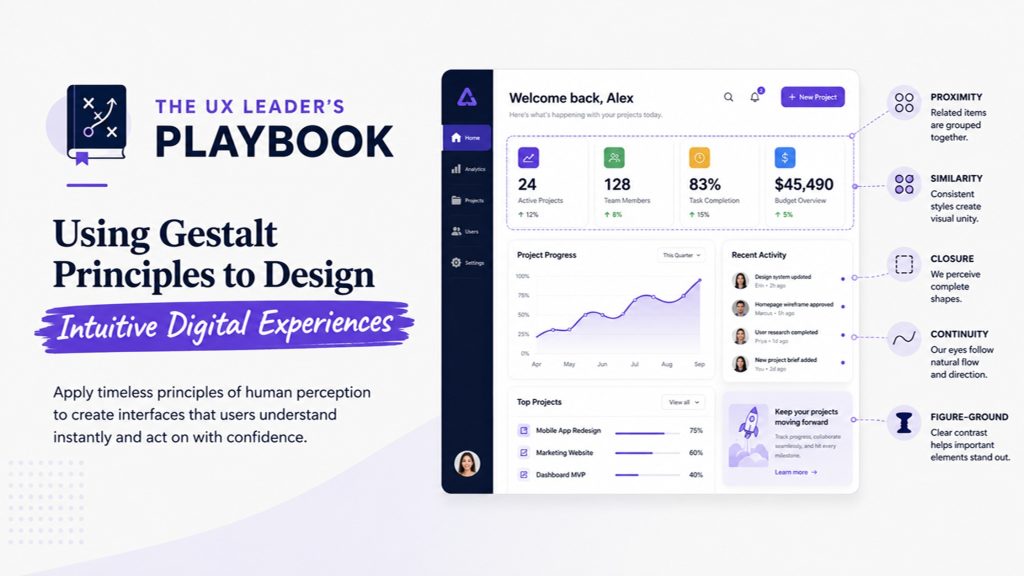
The UX Leader’s Playbook: Using Gestalt Principles to Design Intuitive Digital Experiences
Creating an intuitive digital experience is no small feat. As a UX leader, you want to ensure that users connect seamlessly with your design. The secret sauce lies in understanding how the human brain processes visual information. Enter Gestalt principles—a powerful toolkit for designers aiming to craft user experiences that feel natural and engaging. These …
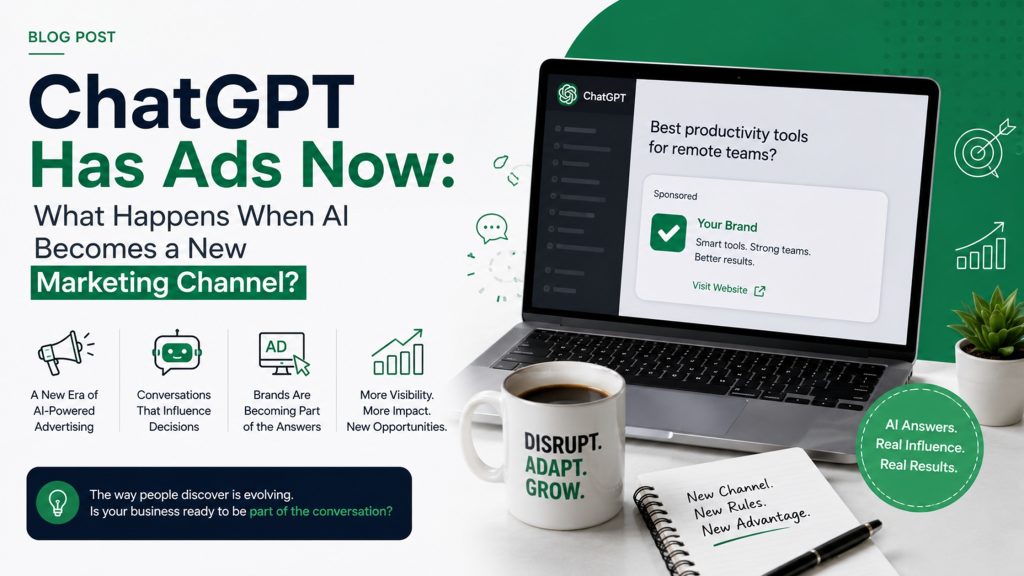
ChatGPT Has Ads Now: What Happens When AI Becomes a New Marketing Channel?
For years, digital advertising has fought for attention across search results, social feeds, websites, and video platforms. Now, a new space is emerging: the AI conversation. As people increasingly turn to ChatGPT for recommendations, research, product comparisons, and everyday decisions, ChatGPT advertising could introduce a fundamentally different way for brands to reach potential customers. This …
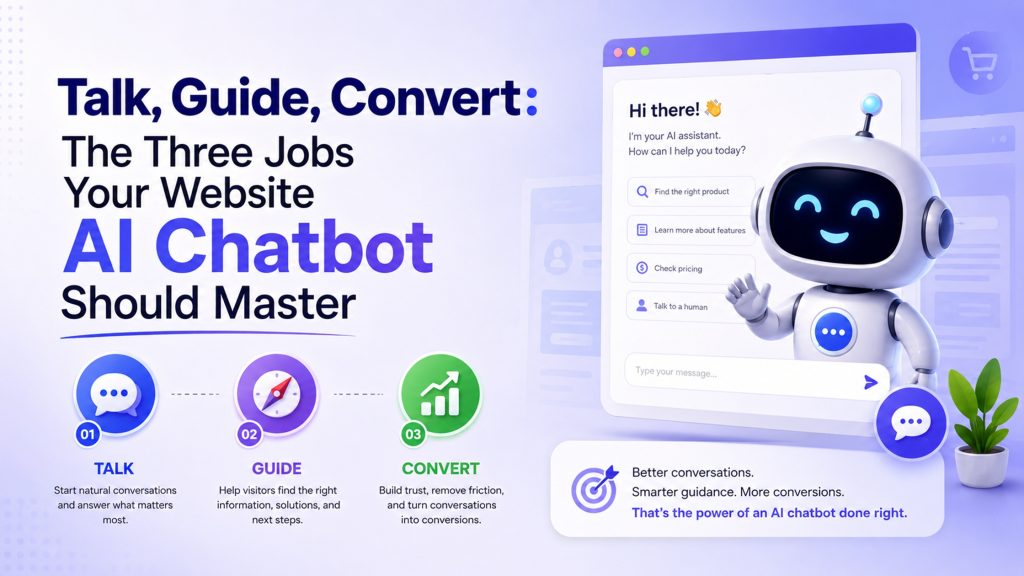
Talk, Guide, Convert: The Three Jobs Your Website AI Chatbot Should Master
Imagine visiting a website where your questions are answered instantly, recommendations feel tailored just for you, and finding what you need is as easy as breathing. This isn’t the future; it’s happening now with website AI chatbot revolutionizing the online experience. These intelligent assistants have become essential tools for businesses looking to enhance customer interaction …