
Cute-alism in 2026: A Fresh Approach to Engaging Web Experiences
Introduction to Cute-alism and its Growing Popularity
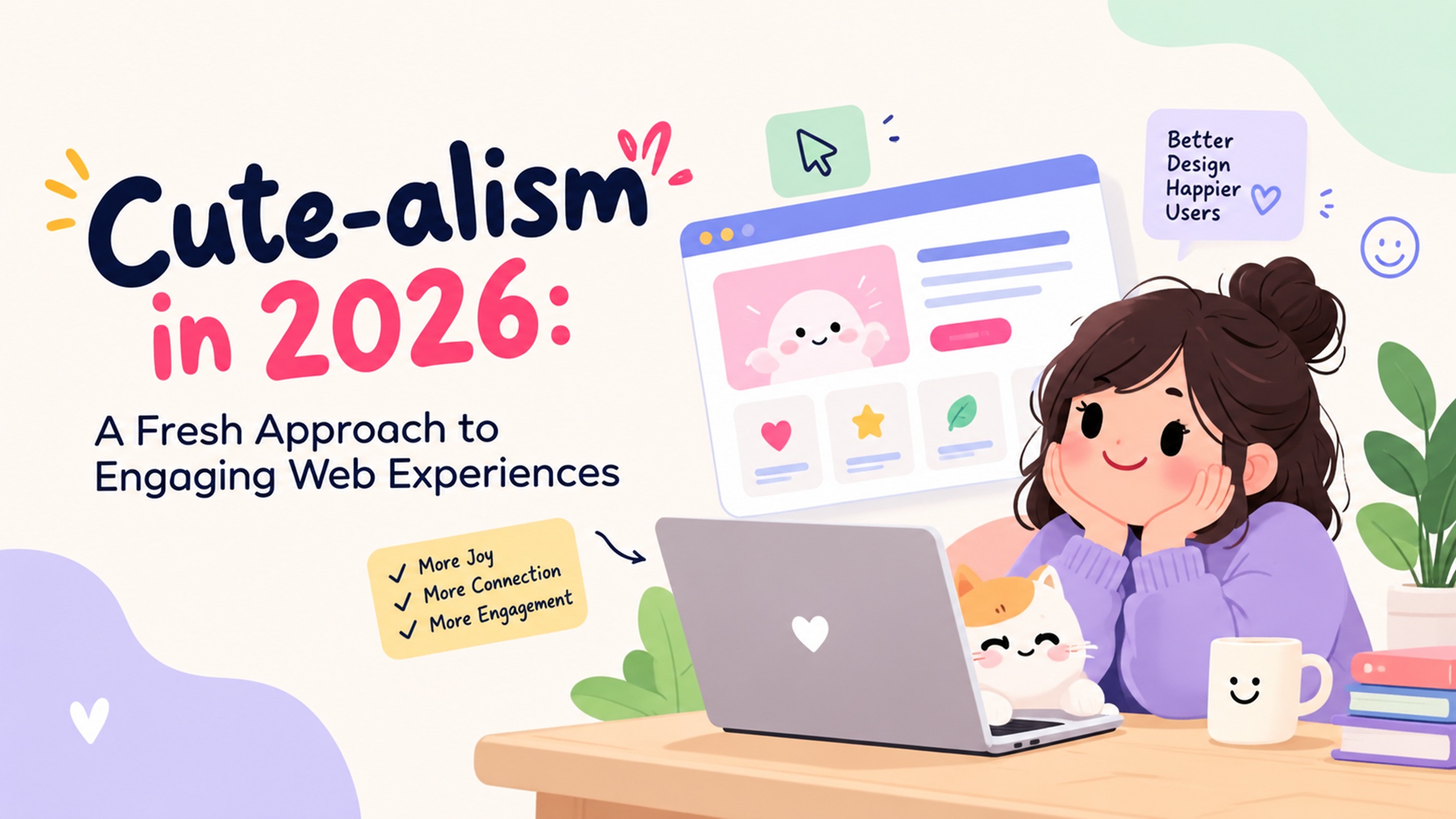
Web design is becoming more expressive, emotional, and personality-driven, and Cute-alism is emerging as an interesting design direction for brands that want to feel approachable and memorable. Rather than relying solely on rigid layouts or ultra-minimal interfaces, Cute-alism combines playful visuals, soft colors, friendly typography, charming illustrations, expressive icons, and subtle animations to create a more welcoming digital experience.
In 2026, users expect websites to do more than present information—they want interfaces that feel intuitive, enjoyable, and distinctive. Cute-alism can help brands create this emotional connection while still maintaining usability and accessibility. When thoughtfully applied, elements such as rounded shapes, illustrated characters, micro-interactions, and playful visual details can make a website feel more human without distracting visitors from its core purpose.
For web design companies, this trend opens opportunities to experiment with brand identity and user experience. The challenge is finding the right balance between creativity and functionality. A cute website should still load quickly, communicate clearly, work across devices, and guide visitors naturally toward important actions.
As businesses look for new ways to stand out in crowded digital spaces, Cute-alism in web design offers a fresh approach to creating websites that are visually distinctive and emotionally engaging.
Understanding the Psychology behind Cute-alism
Cute-alism taps into our innate desire for comfort and joy. It draws on the psychology of cuteness, which evokes feelings of warmth and connection. When we see cute designs, our brains release oxytocin, often called the “love hormone.” This creates a sense of trust and affinity.
People are naturally drawn to things that make them feel happy. Cute elements can break down barriers in communication. They create an inviting atmosphere that encourages user engagement.
Moreover, when users encounter playful visuals or adorable characters, they experience reduced stress levels. This fosters a more relaxed browsing environment where creativity flourishes.
In digital spaces filled with harsh realities and stark choices, cute-alism offers solace. It transforms mundane interactions into delightful experiences by adding an unexpected charm to web design.
How Brands are Utilizing Cute-alism in Web Design
Brands today are embracing cute-alism in web design to create memorable experiences. They leverage playful visuals, soft colors, and friendly characters that resonate with users on an emotional level.
E-commerce websites often feature adorable mascots or illustrations. These elements guide potential customers through their shopping journey while evoking feelings of joy and comfort.
Content-heavy sites benefit as well. Cute icons and engaging typography can make reading more enjoyable. This approach transforms the often overwhelming task of consuming information into a delightful experience.
Social media campaigns also tap into this trend by showcasing whimsical designs that encourage sharing. When brands present themselves as approachable and fun, they foster deeper connections with their audience.
Incorporating cute-alism allows brands to stand out in a crowded digital landscape while enhancing user engagement across platforms. It’s not just about aesthetics; it’s about creating lasting impressions that drive interaction.
The Benefits of Using Cute-alism in Web Experiences
Cute-alism brings a refreshing charm to web experiences. Its whimsical elements can create an emotional connection with users, making websites more relatable and inviting.
Users often feel happier when encountering playful designs. This positive emotion can lead to longer browsing sessions and increased engagement. A site that feels friendly encourages interaction, fostering a community around your brand.
Moreover, cute aesthetics enhance brand recall. When visuals evoke joy or nostalgia, customers are more likely to remember their experience. This leads to higher chances of return visits.
Using adorable characters or vibrant colors also helps in simplifying complex information. Cute designs can break down barriers, making content easily digestible for all ages.
Integrating cute-alism contributes to creating unique identities for brands as well. It sets them apart in a crowded digital landscape while resonating with diverse audiences seeking warmth and authenticity.
Examples of Successful Implementation of Cute-alism
One standout example of cute-alism in web design is the popular online store, Pusheen. The website incorporates adorable illustrations that resonate with its audience. This playful aesthetic not only attracts visitors but also encourages them to linger longer.
Another brand effectively using cute-alism is Mailchimp. Their charming characters and soft color palette create a friendly atmosphere. Users feel welcomed rather than overwhelmed by their email marketing tools.
Duolingo takes an engaging approach as well, utilizing mascot-themed visuals throughout its platform. The cheerful owl adds personality to the learning experience, making it enjoyable for users of all ages.
These implementations showcase how combining cuteness with functionality can enhance user engagement while keeping interfaces lighthearted and approachable. Each brand demonstrates that a little charm goes a long way in forging connections with audiences online.
Tips for Incorporating Cute-alism into Web Design
To weave cute-alism into your web design, start with playful colors. Soft pastels and vibrant hues can evoke warmth and joy.
Next, choose friendly fonts that feel approachable. Rounded typefaces often convey a sense of friendliness, inviting users to engage more deeply.
Incorporate adorable illustrations or mascots. These elements can bring personality to your brand while making the user experience enjoyable.
Animations add charm too. Subtle movements—like bouncing buttons or winking icons—can make interactions delightful without overwhelming visitors.
Use whitespace wisely. A clean layout allows cute elements to shine without cluttering the design.
Don’t forget about micro-interactions. Tiny surprises like a smiley face when completing an action can create memorable moments on your site.
Experimentation is key; find what resonates with your audience while staying true to the essence of cute-alism in web design.
The Future of Cute-alism in Web Design
The future of cute-alism in web design is bright and full of possibilities. As technology evolves, so do the ways we can incorporate adorable elements into online experiences.
Imagine websites that adapt to users’ moods through playful visuals and animations. This could enhance engagement significantly. Brands might leverage artificial intelligence to create personalized cute designs tailored just for you.
Augmented reality will likely play a role too. Users could interact with charming characters that guide them through products or services, making the experience memorable and enjoyable.
Sustainability is another growing consideration. Eco-friendly brands may adopt cute-alism to convey their values in a relatable way, connecting deeper with environmentally conscious consumers.
As digital storytelling becomes more prominent, incorporating whimsical narratives will captivate audiences’ hearts while delivering messages effectively. Cute-alism has an exciting path ahead as it reshapes how we connect online.
Conclusion: Why You Should Consider Adding a Touch of Cute-alism
Embracing Cute-alism in web design can transform the way users interact with your brand. This approach taps into deep-seated emotional responses, drawing people in with its charming aesthetics and playful elements. The psychology behind cuteness suggests that it fosters connection and positive feelings, making visitors more likely to engage.
As brands increasingly recognize this trend, those who adopt cute-alism stand out from the crowd. Whether through whimsical illustrations or friendly characters guiding users through their experience, each touch of cute adds a layer of warmth and relatability.
The benefits are numerous: increased user engagement, improved brand perception, and the ability to create memorable experiences. By incorporating these elements thoughtfully, you can elevate your web design strategy considerably.
Consider examples like Duolingo or Mailchimp; both effectively use cute designs that resonate well with their audiences. Their success demonstrates how powerful a little charm can be.
For those ready to dive into this delightful realm of creativity, start by infusing small doses of whimsy in your projects. Playful fonts or inviting icons can go a long way without overwhelming your core message.
Cute-alism is not just a passing trend—it’s an evolving movement shaping how we communicate online. As we move forward into 2026 and beyond, integrating this engaging style might just set you apart from competitors while creating joyful experiences for users everywhere. Your audience deserves that special touch!
 Previous post
Choose a Right Website Developer
Previous post
Choose a Right Website Developer