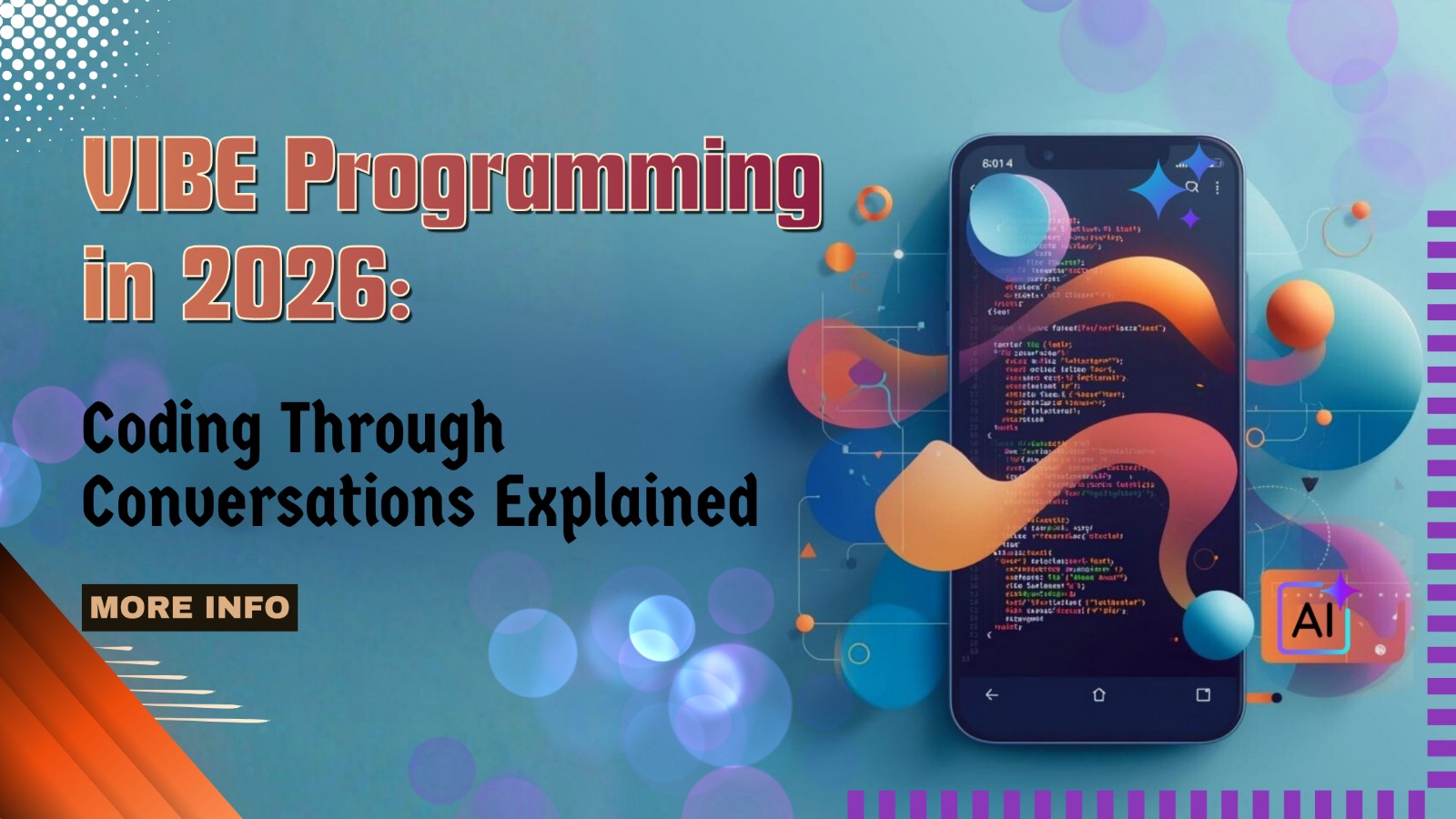
VIBE Programming in 2026: Coding Through Conversations Explained
Imagine a world where coding isn’t just about typing lines of text on a screen. Instead, it’s an engaging dialogue—like having a conversation with your best friend, but this time, you’re building software together. Welcome to the future: VIBE programming in 2026. As technology continues its rapid evolution, so too does the way we interact with it. The shift towards conversational interfaces is not just changing our devices; it’s revolutionizing how we think about coding itself.
In this brave new world of programming, traditional barriers are dismantled, making it accessible to everyone from seasoned developers to curious novices eager to learn. With VIBE programming at the forefront of this transformation, the landscape of tech will never be the same again. Let’s dive into what makes VIBE programming such an exciting development and explore how it shapes our understanding and practice of coding today and tomorrow!
The Evolution of Programming
Programming has come a long way since its inception. In the early days, coding was a tedious affair involving punch cards and assembly language. It required meticulous attention to detail and an intimate understanding of hardware.
As technology advanced, higher-level languages emerged. Languages like Fortran and COBOL simplified programming tasks, making it accessible to more people. The introduction of object-oriented programming in the 1980s marked another pivotal shift, allowing developers to create reusable code modules.
With the rise of open-source communities in the late 1990s, collaboration flourished. Programmers around the globe began sharing their knowledge and tools freely, accelerating innovation.
Fast forward to today; we are witnessing a new paradigm shift with artificial intelligence integrated into development processes. This evolution signifies not just advancements in syntax but also profound changes in how we think about solving problems through code.
What is Conversational Coding?
Conversational coding is a new approach that merges natural language with programming. Instead of typing complex commands or syntax, developers use everyday dialogue to communicate with their coding environment.
Imagine discussing your code like you would explain an idea to a friend. This method fosters collaboration and creativity while simplifying the technical barrier often associated with programming languages.
Through AI-driven tools, programmers can articulate their thoughts aloud, allowing software to interpret spoken instructions into actionable code snippets.
This transforms traditional coding practices by making them more accessible, especially for those who may feel intimidated by conventional programming methods. The possibilities are exciting as conversational interfaces evolve and become more intuitive in understanding context and nuance in human speech.
Benefits of VIBE Programming
VIBE Programming offers several compelling advantages for developers and teams alike. One of the most notable benefits is accessibility. By leveraging natural language, individuals without extensive coding backgrounds can contribute effectively to programming tasks.
Collaboration becomes smoother as VIBE encourages conversation over traditional lines of code. Teams can brainstorm ideas in real-time, leading to quicker problem-solving and more innovative solutions.
Flexibility stands out too. Developers can shift between various projects or languages with ease, thanks to the conversational approach. This adaptability fosters a dynamic work environment where creativity thrives.
Additionally, VIBE Programming enhances learning opportunities. Newcomers can engage directly with experienced coders through dialogue, making mentorship more impactful and less intimidating.
This method promotes a culture of inclusivity within tech teams by breaking down barriers associated with complex syntax and jargon commonly found in traditional programming languages.
How to Get Started with VIBE Programming
Getting started with VIBE Programming is easier than you might think. First, familiarize yourself with conversational AI tools and platforms. Explore options like OpenAI’s ChatGPT or Google’s Dialogflow to understand how they facilitate dialogue-based coding.
Next, join online communities or forums focused on VIBE programming. These spaces are perfect for networking and learning from experienced programmers who share valuable insights and resources.
Hands-on practice is key. Start small by creating simple projects that utilize conversational interfaces. Experimenting within a controlled environment allows you to learn the nuances of this innovative approach without feeling overwhelmed.
Don’t forget about tutorials and courses specifically designed for VIBE programming. Many educational platforms offer in-depth lessons tailored to various skill levels, making it easy to find something suitable for your experience.
Stay curious! Engage with new developments in the field as technology evolves rapidly, keeping your skills sharp and relevant.
A Look into the Future: VIBE Programming in 2026
By 2026, VIBE Programming is set to redefine how we interact with technology. Imagine coding not through lines of text but through natural conversations. This shift will make programming more accessible.
As voice recognition and AI capabilities advance, developers will use conversational prompts to build software intuitively. A simple dialogue could generate complex code in seconds, transforming the learning curve for beginners.
Collaboration will flourish as teams engage in dynamic discussions rather than isolated code reviews. Project brainstorming sessions can become live coding events where ideas immediately translate into functional prototypes.
The integration of machine learning may also lead to a personalized coding experience tailored to individual thought patterns and preferences.
Companies that embrace this innovation stand ready to tap into a broader talent pool, inviting diverse voices into tech development who previously felt alienated by traditional programming languages. The landscape is shifting toward inclusivity and creativity like never before.
Overcoming Challenges and Potential Downsides
Despite its promise, VIBE programming isn’t without hurdles. One major challenge is the need for robust natural language processing tools. For conversations to guide coding effectively, these systems must understand nuances and context.
Then there’s the issue of accuracy. Miscommunication can lead to incorrect code generation. Developers will need safeguards in place to verify outputs before deploying applications.
Another concern lies in training users. Not everyone may feel comfortable conversing with AI or adapting their thought processes accordingly. This could create a barrier for those unfamiliar with conversational interfaces.
Security also comes into play. As more developers rely on conversation-based coding, protecting sensitive data becomes crucial.
Reliance on this method might stifle creativity over time if not balanced with traditional approaches. Embracing change while maintaining foundational skills is essential for long-term success in technology.
The Impact of VIBE Programming on Diversity and Inclusion in Tech
VIBE programming has the potential to reshape the tech landscape dramatically. By allowing individuals from various backgrounds to engage in coding through natural conversation, it breaks down traditional barriers.
People who may have previously felt intimidated by complex syntax or technical jargon can now participate more comfortably. This democratization of technology encourages diverse perspectives and ideas, enriching software development processes.
Additionally, VIBE programming promotes collaboration between different demographics. Teams can communicate organically, fostering a sense of belonging among members with varying skill levels and experiences.
As organizations recognize the value of diverse teams, they are likely to attract talent that reflects broader societal demographics. This shift could lead to innovations that address real-world challenges faced by underrepresented communities.
The inclusive nature of VIBE programming might not only change hiring practices but also influence product design and user experience for a wider audience.
Conclusion
VIBE Programming in 2026 represents a transformative shift in the way we approach coding. As technology evolves, so too do our methods of communication and collaboration. Conversational coding is set to redefine not just how we write code but who can participate in its creation.
With benefits that range from increased accessibility to enhanced creativity, VIBE programming opens doors for many who may have felt excluded from traditional tech roles. It encourages team engagement and fosters innovation by allowing voices to be heard through dialogue rather than just written lines of code.
As the landscape continues to change, challenges will undoubtedly arise; however, the potential for creating diverse teams and inclusive workspaces cannot be overstated. The impact on diversity within tech could lead us toward a more equitable future.
Looking ahead into 2026, it’s apparent that VIBE programming is not merely a trend but an evolution poised to reshape our digital world fundamentally. Embracing this shift may very well define the next era of software development and collaborative problem-solving across industries.
 Previous post
Choose a Right Website Developer
Previous post
Choose a Right Website Developer