When AI Becomes the Buyer: The Rise of Agentic Commerce in Programmatic Advertising
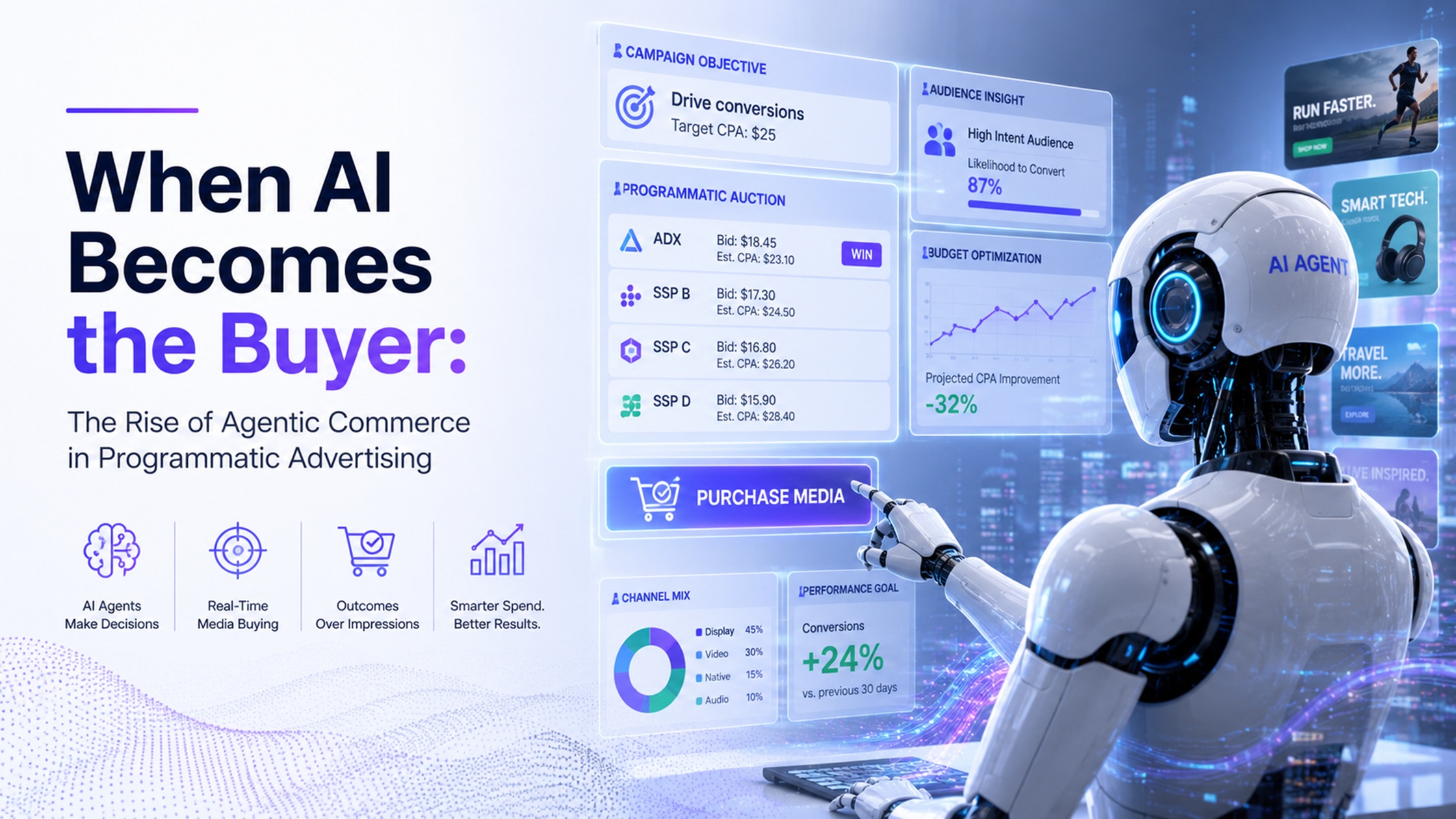
In the rapidly evolving landscape of digital marketing, a fascinating trend is emerging: the rise of agentic commerce in programmatic advertising. Imagine a world where artificial intelligence takes on the role of buyer, making decisions that were once reserved for human marketers. This shift is not just a futuristic fantasy; it’s happening now and transforming how brands connect with consumers. With algorithms analyzing vast amounts of data in real-time, AI can optimize ad placements and targeting strategies like never before. As we delve into this intriguing intersection of technology and commerce, let’s explore what makes agentic commerce a game-changer for both buyers and sellers alike.
The Role of Artificial Intelligence in Programmatic Advertising
Artificial Intelligence has transformed programmatic advertising by automating complex processes. It analyzes vast amounts of data to make real-time decisions about ad placements. This capability leads to more efficient targeting, ensuring that ads reach the right audience at the right time.
AI algorithms continuously learn and adapt. They identify patterns in consumer behavior, allowing marketers to refine their strategies on-the-fly. As a result, campaigns become more personalized and relevant.
Moreover, AI enhances predictive analytics. It can forecast trends based on historical data, enabling advertisers to optimize their budgets effectively. This precision minimizes wasted spend and maximizes ROI.
With AI managing these tasks, human teams can focus on creative aspects rather than getting bogged down in analysis or logistics. The synergy between humans and machines drives innovation within the realm of programmatic advertising like never before.
Benefits of Agentic Commerce for Buyers and Sellers
Agentic Commerce revolutionizes the way buyers and sellers interact in programmatic advertising. For buyers, it offers unparalleled efficiency. Automated systems analyze vast data sets to target audiences more precisely than ever before.
This targeted approach not only optimizes ad spend but also enhances engagement rates. Buyers can see real-time results and adjust strategies promptly based on performance metrics.
Sellers benefit as well. With AI-driven insights, they gain a deeper understanding of market trends and consumer behavior. This knowledge allows them to tailor their offerings effectively, ensuring higher conversion rates.
Additionally, agentic commerce fosters transparency in transactions. Both parties have access to detailed analytics that build trust and encourage collaboration.
The seamless integration of technology simplifies processes for everyone involved, reducing manual labor while maximizing impact in an increasingly competitive landscape.
Challenges and Limitations of Agentic Commerce
Agentic commerce, while innovative, faces several challenges that can hinder its effectiveness. One major issue is data privacy. With AI making decisions on behalf of buyers, the handling of sensitive consumer information becomes critical.
Another limitation lies in algorithm bias. If AI systems are trained on skewed datasets, their purchasing decisions may reflect those biases, potentially leading to unfair advantages or missed opportunities for certain sellers.
Moreover, transparency is a significant concern. Many stakeholders struggle to understand how these automated processes operate and make choices. This opacity can breed mistrust among advertisers and consumers alike.
The technology itself requires constant updates and maintenance. As algorithms evolve rapidly, organizations must invest time and resources into keeping them current to ensure optimal performance in an ever-changing landscape.
Impact on Traditional Advertising Methods
The emergence of agentic commerce is reshaping traditional advertising methods. Brands that once relied on static ads are now adapting to dynamic environments.
Gone are the days when a single ad could capture an entire audience’s attention for weeks or months. Advertisers must pivot quickly, responding in real-time to consumer behavior and preferences.
This shift challenges conventional storytelling techniques. Instead of crafting lengthy narratives, brands focus on bite-sized content that resonates instantly with viewers.
Moreover, the use of AI algorithms means less reliance on broad demographics and more emphasis on precise targeting. This precision can lead to higher engagement rates but also requires a rethinking of how value is measured.
As programmatic advertising gains traction through agentic commerce, it becomes clear: adaptability is key in this new landscape. The rules of engagement have changed dramatically, leaving behind many outdated approaches once deemed effective.
The Future of Agentic Commerce in Programmatic Advertising
As technology continues to evolve, the landscape of programmatic advertising will transform significantly. Agentic commerce is poised to lead this change, creating a more autonomous buying process.
We can expect AI-driven platforms to refine targeting strategies further. These systems will analyze consumer behavior in real-time, allowing for hyper-personalized ad placements that resonate deeply with individual preferences.
Moreover, the integration of blockchain may enhance transparency and trust within transactions. Buyers will have clearer insights into where their dollars are going and how effective those investments are.
The rise of agentic commerce could also usher in new revenue models. Sellers might explore innovative partnerships based on data sharing or performance-based metrics rather than traditional CPM structures.
In this dynamic environment, adaptability will be crucial. Companies that embrace these advancements stand to gain a competitive edge as they navigate the complexities of digital marketing’s future.
Conclusion
The rise of agentic commerce in programmatic advertising marks a transformative shift in how transactions and interactions occur. As artificial intelligence takes on more responsibilities as a buyer, it redefines the roles of marketers and advertisers. This evolution offers significant advantages for both buyers and sellers, facilitating quicker decisions and personalized experiences.
However, it’s essential to recognize the challenges that accompany this advancement. Issues like data privacy concerns and algorithm biases must be addressed to ensure ethical practices within this landscape. Traditional advertising methods face pressure to adapt or risk obsolescence as AI-driven strategies gain traction.
Looking ahead, agentic commerce appears poised for further growth. The integration of AI into programmatic advertising will likely continue evolving, making way for even smarter solutions tailored to consumer needs. Businesses that embrace these changes stand to benefit immensely from enhanced efficiency and effectiveness in their marketing efforts.
This ongoing journey raises intriguing questions about the future dynamics between technology and human creativity in commercial spaces. As we navigate this new frontier together, staying informed about emerging trends is crucial for success in an increasingly automated world.
 Previous post
Choose a Right Website Developer
Previous post
Choose a Right Website Developer