
The Power of Transparency in Influencer Marketing: A Guide to Ethical Campaigns
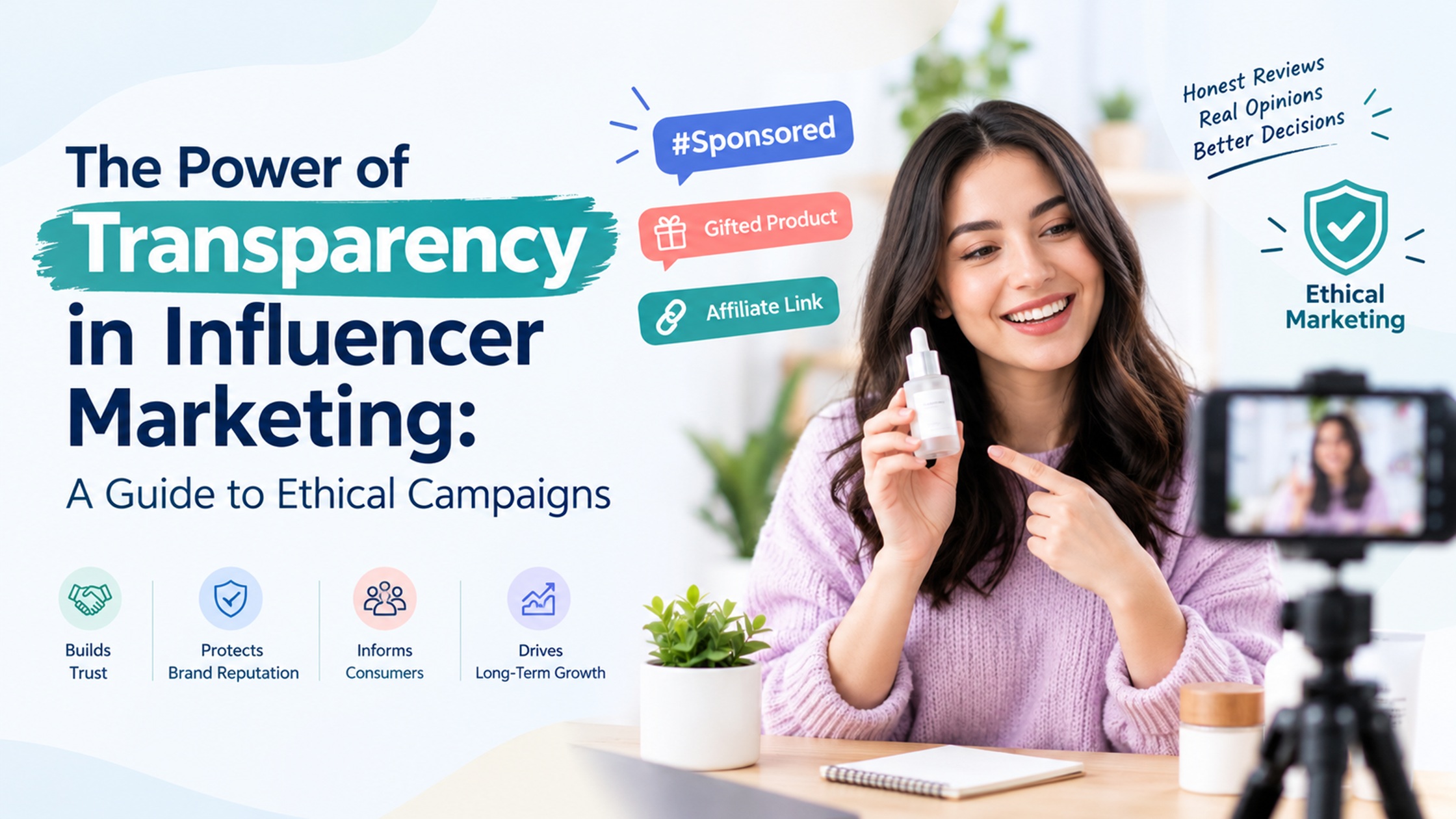
Influencer marketing has become a powerful strategy for brands looking to connect with their target audiences, increase brand awareness, and drive sales. By collaborating with content creators who have established credibility within specific communities, businesses can communicate their messages in a more relatable and engaging way. However, as influencer partnerships continue to grow, audiences increasingly expect honesty about sponsored content, paid promotions, gifted products, and brand relationships. This is where Transparency In Influencer Marketing becomes essential. Transparent campaigns help consumers distinguish between genuine opinions and paid endorsements, allowing them to make informed purchasing decisions. For brands, transparency is not simply a regulatory requirement; it is an opportunity to build long-term trust, strengthen customer relationships, and establish a positive reputation.
In this guide, we explore why transparency matters, how brands and influencers can maintain ethical partnerships, and which best practices help create more trustworthy influencer marketing campaigns.
What Is Transparency in Influencer Marketing?
Transparency in influencer marketing means openly communicating the commercial relationships between brands and influencers. When a creator receives payment, free products, discounts, commissions, or other benefits in exchange for promoting a product or service, that relationship should be clearly disclosed to the audience.
For example, an influencer reviewing skincare products received from a brand should explain that the products were gifted. Similarly, a creator participating in an affiliate marketing program should disclose that purchases made through their links may generate a commission.
Transparent communication allows audiences to understand the context behind promotional content without having to investigate the relationship themselves.
Transparency also extends beyond sponsored posts. It includes sharing honest product experiences, avoiding misleading claims, communicating campaign limitations, and ensuring that marketing messages accurately represent what a product or service offers.
Why Transparency In Influencer Marketing Matters
Transparency influences how consumers perceive brands, evaluate recommendations, and decide whether to engage with promotional content. It benefits everyone involved in an influencer campaign.
1. Builds Consumer Trust
Trust is one of the most valuable assets in digital marketing. Consumers are more likely to consider recommendations when they understand the relationship between the creator and the brand.
Clear disclosures demonstrate that a business respects its audience and values honest communication. Rather than hiding a commercial arrangement, brands can show that they are confident in the products they promote.
Over time, this approach can strengthen customer relationships and encourage repeat purchases.
2. Protects Brand Reputation
Influencer campaigns can reach thousands or millions of people, making misleading promotions a potential reputational risk. If audiences discover that a creator concealed a paid partnership or exaggerated product benefits, both the influencer and the sponsoring brand may face criticism.
Ethical campaigns reduce this risk by establishing clear expectations before content is published.
Brands should verify promotional claims, review disclosure requirements, and ensure that influencers understand their responsibilities. These measures help prevent avoidable controversies and protect brand credibility.
3. Supports Informed Purchasing Decisions
Consumers deserve to understand whether content is sponsored before using it to guide their purchasing decisions.
For example, an influencer recommending a fitness supplement should disclose any financial relationship with the manufacturer. They should also avoid unsupported health claims or promises of guaranteed results.
Clear disclosures give audiences the information they need to evaluate recommendations independently. This creates a more responsible relationship between creators, businesses, and consumers.
4. Encourages Long-Term Audience Loyalty
Audiences may appreciate entertaining content, but lasting loyalty often depends on credibility. Influencers who communicate openly about sponsorships can maintain their authenticity while earning revenue from brand partnerships.
Similarly, businesses that prioritize ethical promotions can develop stronger relationships with both creators and customers.
This makes Transparency In Influencer Marketing an important part of sustainable brand growth rather than a task limited to individual campaigns.
Common Transparency Challenges in Influencer Marketing
Although transparency sounds straightforward, brands and influencers may encounter several challenges when planning campaigns.
Hidden Sponsorships
Some promotional posts appear to be ordinary recommendations without clearly identifying the commercial relationship. When disclosures are missing or difficult to notice, consumers may not realize that the content is advertising.
Brands should establish disclosure requirements in their contracts and verify that creators follow them.
Misleading Product Reviews
Influencers may feel pressured to emphasize positive product features or avoid mentioning limitations. However, requiring creators to provide only favorable opinions can undermine credibility.
Brands can communicate key product benefits while allowing influencers to share genuine experiences. Honest reviews are more valuable than exaggerated endorsements that fail to meet customer expectations.
Unclear Affiliate Relationships
Affiliate links and discount codes can generate commissions for creators. If audiences do not understand this arrangement, they may misinterpret the recommendation as entirely independent.
Influencers should explain affiliate relationships using clear, easy-to-understand language near the relevant link or recommendation.
Fake Engagement and Inflated Metrics
Purchased followers, artificial likes, and automated comments can make an influencer appear more influential than they actually are.
Brands should evaluate audience quality, engagement patterns, content relevance, and campaign performance rather than relying solely on follower counts. Transparent reporting also helps businesses understand the actual results of their investments.
Best Practices for Ethical Influencer Marketing Campaigns
Building an ethical campaign requires collaboration between brands, influencers, agencies, and marketing teams. The following practices can help establish consistent standards.
1. Use Clear Sponsorship Disclosures
Disclosures should be easy to notice, understand, and associate with the promotional content.
Examples include:
- “Ad” or “Sponsored” at the beginning of a social media caption.
- “Paid partnership with [Brand]” where supported by the platform.
- “This product was gifted by [Brand]” when applicable.
- “I earn a commission if you purchase through this link” for affiliate promotions.
Avoid relying exclusively on vague terms such as “collab” or “partner,” which may not clearly communicate that a commercial relationship exists.
Disclosures should also be appropriate for the content format. Videos may require visible on-screen text and spoken disclosures, while livestreams may need repeated explanations so viewers joining later understand the relationship.
Brands and creators should follow the applicable advertising rules in their target markets and the disclosure policies of each platform.
2. Establish Written Influencer Agreements
A written agreement helps both parties understand their responsibilities before a campaign begins.
Contracts should address sponsorship disclosures, approved product information, compensation, content deliverables, review procedures, and reporting expectations.
They should also clarify that influencers must not make unsupported claims or present fabricated personal experiences.
Clear agreements reduce confusion and create a consistent framework for ethical collaboration.
3. Allow Honest Opinions
Authenticity should remain central to influencer partnerships. Brands can provide accurate product information and explain the campaign’s objectives without dictating every aspect of an influencer’s opinion.
Creators should have the freedom to communicate their real experiences, including relevant limitations.
This approach can make promotional content more credible because audiences receive balanced information instead of overly scripted advertising.
4. Verify Claims Before Publishing
Influencer content should not promise results that a product cannot reliably deliver. Claims involving health, finance, environmental benefits, and performance may require particular care and supporting evidence.
Marketing teams should provide influencers with verified product details and explain which claims are permitted.
For example, a business should not encourage an influencer to promise guaranteed financial returns or claim that a cosmetic product produces specific medical outcomes without appropriate evidence.
5. Measure Campaign Performance Honestly
Ethical marketing also requires accurate reporting. Brands should assess campaign performance using meaningful indicators, including qualified traffic, conversions, engagement quality, and return on investment.
Influencers and agencies should not manipulate analytics or present estimated results as confirmed outcomes.
Transparent reporting helps businesses identify successful partnerships and make better decisions about future campaigns.
The Role of Technology in Influencer Marketing Transparency
Technology can make ethical influencer marketing easier to manage at scale.
Influencer management platforms help brands organize creator partnerships, monitor campaign deliverables, and track performance. Social media analytics tools can identify unusual engagement patterns and provide insights into audience behavior.
Artificial intelligence can also support campaign analysis by identifying inconsistencies in reports, organizing disclosures for review, and highlighting potentially misleading claims. However, automated tools should complement human judgment rather than replace it.
Brands should also maintain clear records of agreements, approvals, disclosures, and campaign results. These records support accountability and make it easier to investigate concerns when they arise.
Technology is most effective when supported by clear policies, responsible teams, and a commitment to honest communication.
Measuring the Success of Transparent Campaigns
Transparency can be evaluated through both compliance indicators and marketing outcomes.
Businesses should monitor whether disclosures appear correctly, whether influencers follow campaign guidelines, and whether promotional claims are supported by evidence.
They can also examine audience sentiment, customer feedback, engagement quality, referral traffic, and conversion rates.
Comparing these indicators over time can help brands understand how ethical practices influence campaign performance. However, businesses should avoid assuming that transparency alone guarantees higher sales or engagement. Results also depend on product quality, audience relevance, campaign execution, and market conditions.
The goal is to create campaigns that deliver measurable business value without compromising consumer trust.
The Future of Ethical Influencer Marketing
As audiences become more familiar with sponsored content, brands will need to demonstrate greater accountability in their influencer relationships.
Future campaigns are likely to place greater emphasis on clear disclosures, responsible use of artificial intelligence, authentic creator experiences, and verifiable performance data.
Virtual influencers and AI-generated content introduce additional questions about identity, representation, and audience awareness. Businesses should clearly communicate when synthetic personalities or substantially AI-generated promotional materials are involved, particularly when that information could affect how consumers interpret the content.
Regulatory expectations may also vary by country and change over time. Brands operating internationally should review current advertising standards in each relevant market rather than assuming one disclosure approach is sufficient everywhere.
Companies that build ethical practices into their marketing processes will be better positioned to adapt to changing expectations.
Conclusion
Influencer marketing works best when brands and creators respect the intelligence of their audiences. Clear disclosures, honest recommendations, accurate product claims, and reliable performance reporting help establish the foundation for responsible digital promotion.
Transparency In Influencer Marketing is not simply about revealing paid partnerships. It is about creating an environment where consumers can understand promotional messages, evaluate recommendations, and make informed decisions.
By establishing clear agreements, encouraging genuine opinions, verifying claims, and measuring results honestly, businesses can develop influencer campaigns that support both commercial objectives and consumer confidence.
Ultimately, ethical influencer marketing is an investment in credibility. Brands that prioritize honesty over short-term attention can build stronger partnerships, protect their reputations, and create more meaningful connections with their audiences.
 Previous post
Choose a Right Website Developer